We don't even know what we don't know yet.

There is a persistent belief in the industry that complex digitalization projects work best if they are fully planned from the outset with detailed specifications. A thick folder full of requirements, neatly numbered chapters, tables and acceptance criteria initially appears serious and conveys the feeling of having everything under control. However, this feeling is deceptive.
Because unlike when building a house, where the architecture and technical framework conditions are determined at an early stage, a completely different sentence applies to digitization projects. It describes the reality more accurately than any process guide:
"We don't even know what we don't know yet."
This lack of knowledge is not the result of poor preparation. It is simply the nature of digitalization. It forces us to rethink processes, link data flows and break down silos. You only discover connections when you work with real data and real processes. This cannot be planned in advance like a building shell.
Why specifications often fail
At first glance, specifications seem like a solid tool. In practice, however, they are often either a description of the current situation or an attempt to avoid uncertainties by simply not mentioning them. Many companies invest months in workshops, coordination and formulation. Later, it turns out that large parts of the requirements no longer fit during implementation because new findings have emerged.
Digitalization changes as soon as it comes into contact with reality. Users only see what they really need in their daily work. If you try to define this learning process in advance, you create false precision and miss important opportunities.
Why we recommend starting with a proof of concept
We therefore advise companies to deliberately keep the start small, fast and manageable. A proof of concept provides concrete experience in a short space of time. It shows which functions are actually relevant and where there is a problem in the process. It creates acceptance among employees because digitization is not talked about in the abstract, but real improvements become visible. And it prevents bad investments because the next steps are based on reliable findings.
Why EVOMECS is particularly suitable for this
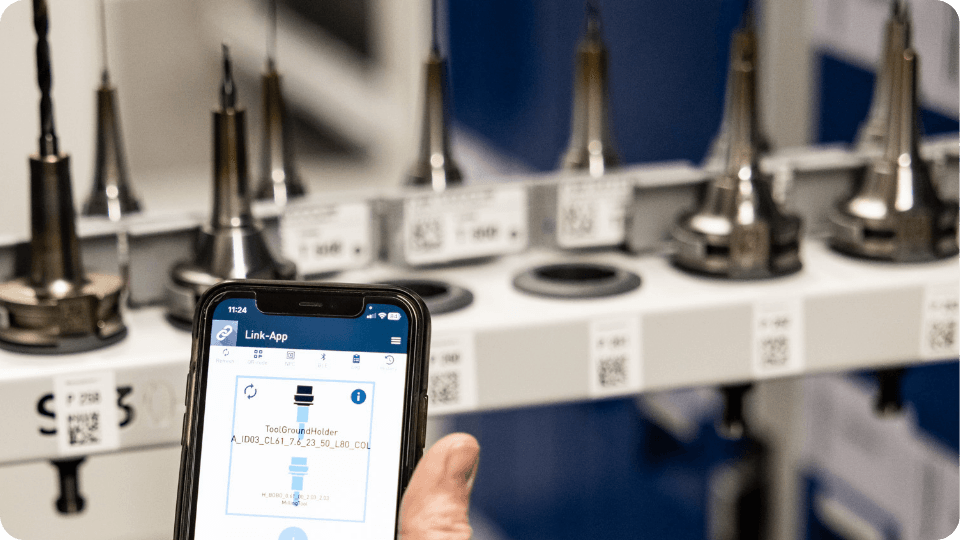
The EVOMECS platform has a modular structure and is ready for immediate use. This means that the first steps can be implemented without long lead times. Within a few weeks, companies can try out how digital processes feel in practice and what brings the greatest benefits. This then forms the basis for a long-term and resilient digitalization strategy that is based on real experience rather than theoretical assumptions.
And now?
Digitalization is not a plannable feat of strength, but a learning process. It arises where people work with data and processes and recognize new requirements. Specifications cannot map this process. Proof-of-concepts, on the other hand, provide the insights that really help companies move forward.