The old image of automation
Robots loading and unloading machines, a pallet changer or an automated racking system. Automated cells with impressive precision. This is the image that many people still associate with production automation today. But it is precisely this image that falls short. It is the product of a mindset that sees automation as a purely mechanical process - as an island, not a system. What is missing is a view of the big picture - especially in machining, where flexibility, precision and predictability are crucial.
The paradigm shift has begun
A silent but fundamental paradigm shift is taking place in modern manufacturing:
- >> Away from hardware-centered automation
- >> Towards software-supported, networked process automation
In future, the question will no longer be: What can the robot do? What does the system need to know, decide and initiate so that the robot can act sensibly?
Automation will thus become an interplay of intelligent software, integrated data flows and adaptive hardware. The focus is shifting from mechanics to logic.
This change is particularly noticeable in machining, where the complexity of individual machining processes is high and individual machines are often used. Automation no longer just means interlinked systems with robotics, but also the intelligent integration of standalone machines into an end-to-end digital system. The entire production hall thus becomes a cell.
The limits of today’s automation
Most of today’s automation solutions are islands. However, these systems often work independently of each other. They do not react to context. They are not able to adapt dynamically to changes in the overall process. The result: automated hardware comes to a standstill because order releases are missing, tools are not available or information is not flowing.
In the field of machining in particular, this means that although machines are highly precise, they are often inefficiently integrated without digital integration. The real gain in productivity is only achieved when individual manufacturers, milling or turning centers are also integrated into a digitally coordinated overall process.
Software is the new operating system of manufacturing
What is missing is a digital “operating system” for production:
- >> Software that links processes
- >> Systems that talk to each other
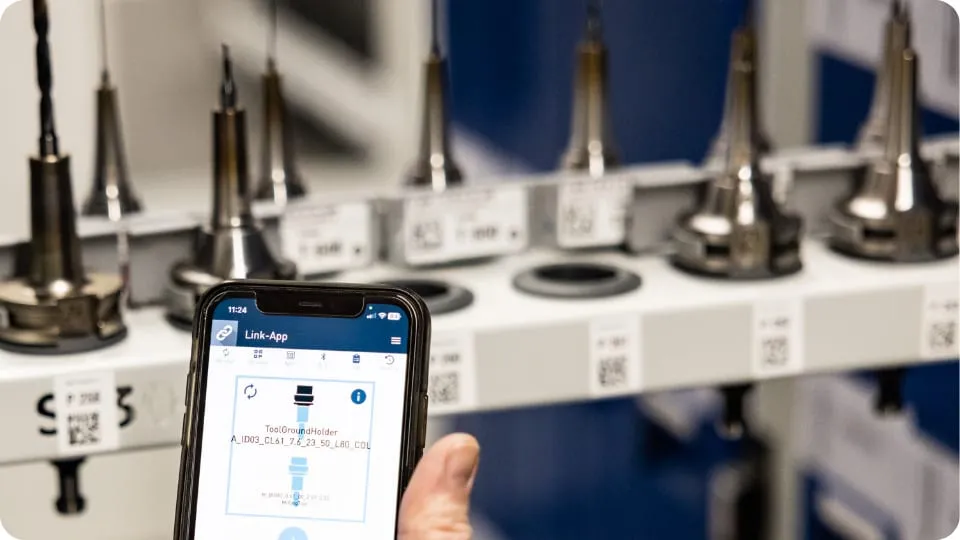
- >> Data that prepares decisions
Whether order management, tool logistics, quality assurance or material flow - true automation requires cross-process intelligence. Without it, automation remains rigid, inefficient and error-prone.
Especially in machining, with its high demands on set-up times, tool availability and quality, this foundation is crucial. Digitalization is becoming a driver of productivity - regardless of whether a machine is interlinked or autonomous.
AI as a driver of adaptive automation
The use of AI takes the paradigm shift to the next level:
- >> AI recognizes patterns in production
- >> It predicts bottlenecks or deviations
- >> It helps to control orders or resources dynamically
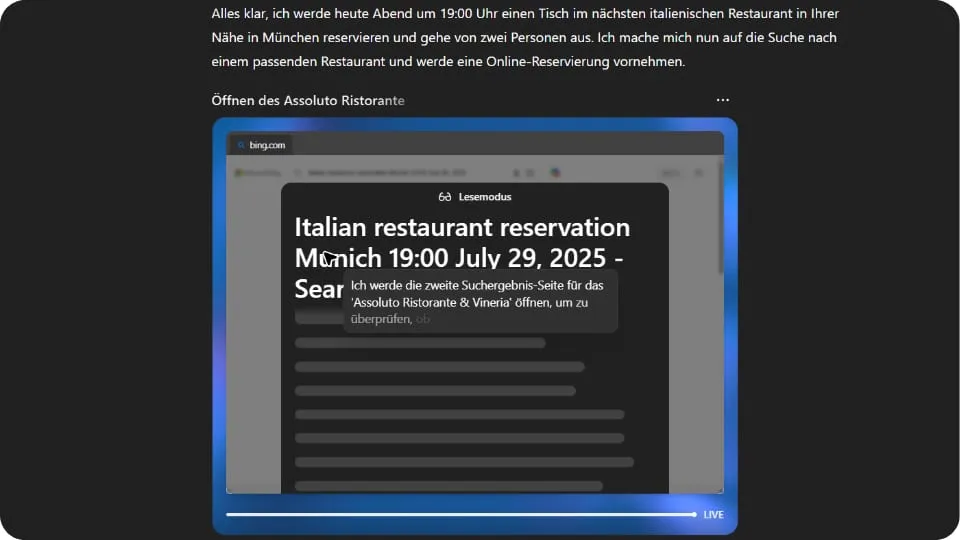
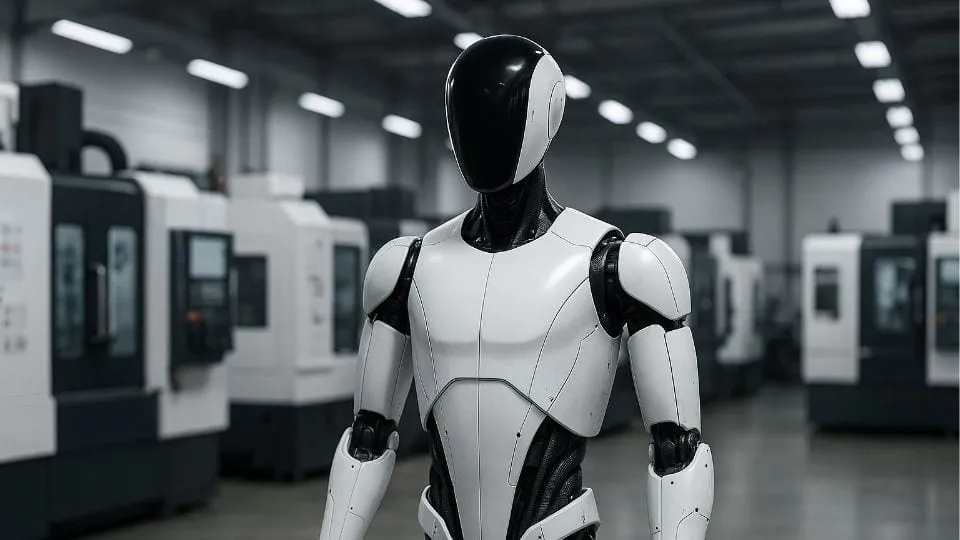
AI turns rigid systems into learning systems. And it enables new forms of human-machine interaction - for example through co-pilots, adaptive work schedules or, in the future, humanoid robots. But all of this only works with the right digital foundation.
The use of AI is particularly exciting in machining, where many process parameters interact with each other. Intelligent systems can help to optimize machining strategies, better predict tool life and make more informed planning decisions.
Anyone who only thinks in terms of machines today is automating yesterday
The future of manufacturing is networked, digital and data-based. It is not only faster and more efficient - it is more intelligent.
Automation must be rethought: not as the sum of robot arms and machines, but as an integrated system of processes, data and decisions - also and especially in machining. Software is not just a tool for automation - it is becoming its foundation.