The digital revolution has established sharing as a philosophy of life. From bicycles and cars to agricultural machinery - the sharing economy brings sustainability and efficiency to our everyday lives. But what about production, the heart of our economy? Shared manufacturing could soon fundamentally change the way we produce and collaborate here too.
The new sharing economy
On the website of the German Bundestag, the scientific services explain the term “sharing economy” as an “economy of sharing”. This involves the communal use of goods through sharing, swapping, lending, renting or donating and the provision of services. However, while sharing models are already firmly established in many areas of life, sharing in the manufacturing sector is still in its infancy.
Shared manufacturing: an untapped opportunity
In contrast to other areas of the economy where the shared use of resources is already widespread, manufacturing is lagging conspicuously behind. The concept of the extended workbench, in which specialized contract manufacturers take over order components, is of course not new, but it is not yet true sharing. It is classic subcontracting, which is often associated with a high level of organizational and administrative effort.
Digitalization as a catalyst for production
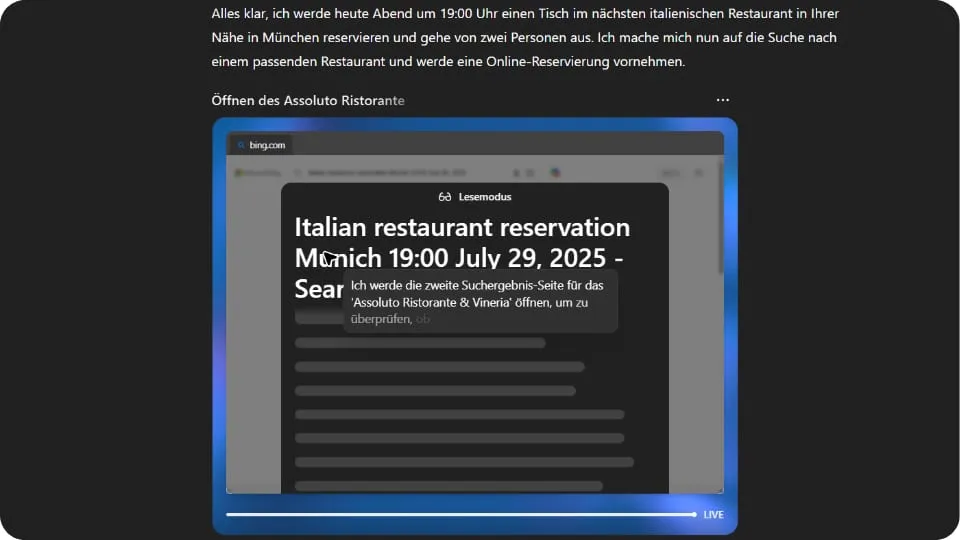
Imagine if production resources were no longer used exclusively internally, but were also made available to other companies. This exchange would no longer be handled via conventional communication channels, but completely online. Just as you receive digital invitations to meetings today, you could also be invited to a joint production - complete with all relevant information.
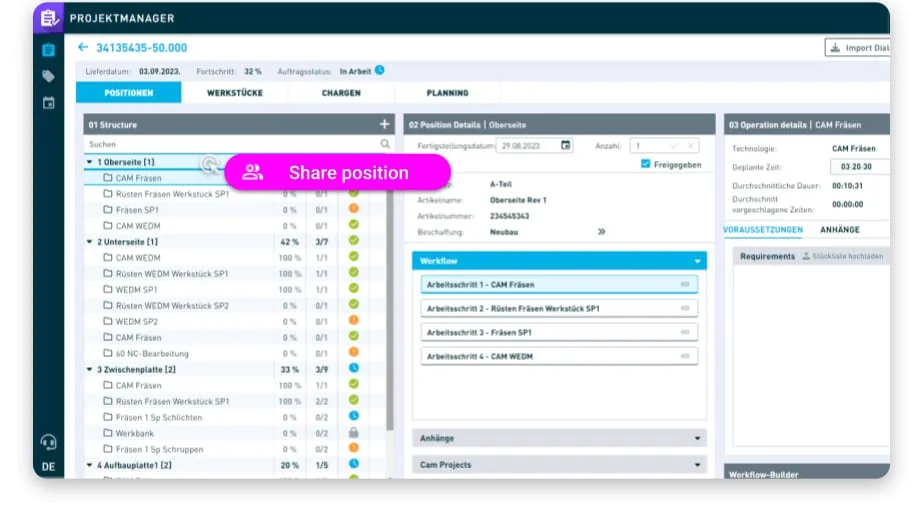
The future: Invited to joint production
The invited company receives all production-relevant data and can start production without any major coordination effort. The status of the order can be viewed by the inviting company at any time, which achieves a new level of transparency and efficiency. In principle, the digital connection even makes it possible for the machines at the partner company to stop automatically in the event of changes to the original order so that work can continue elsewhere.
The advantages of shared manufacturing
Shared manufacturing offers numerous advantages: leaner production processes, better balanced capacity utilization and a significant reduction in wasted resources. The shortage of skilled workers can also be countered by sharing expertise and know-how more easily. Digital networking enables companies to react more quickly and flexibly to market changes.
EVOMECS: pioneer of shared manufacturing
The EVOMECS software suite was developed to make this vision of the future a reality. From the outset, the software was designed to support the shared manufacturing paradigm. The technical implementation is within reach and we are convinced that this model will gradually become established.
Are you as fascinated by the vision of shared manufacturing as we are? Feel free to get in touch with us!